Why Creative Writing Still Matters
(Even for Kids Who “Hate Writing”)
Creative writing gets pushed aside in middle and high school. Between essays, test prep, and structured assignments, there’s rarely time to let students create.
But here’s the truth I’ve seen again and again as a teacher:
Creative writing isn’t extra…it’s FOUNDATIONAL.
When students learn to tell stories, they become better thinkers, clearer communicators, and more confident writers across all subjects.
And yes, this really matters, especially for students who say they hate writing.

This post contains affiliate links. If you choose to purchase after clicking a link, I may receive a commission at no extra cost to you.
Why Creative Writing Is So Important for Middle & High Schoolers
1. It Builds Confidence Before Perfection
Creative writing gives students something academic writing often doesn’t: permission to try without getting it “right.”
Think back to your own time in school. Remember all the pressure? There was always something to be done, and never enough time to just BE.
Now double that pressure because that is what most kids are feeling today. (Just FYI…I see an equal amount of pressure on the homeschool students I teach as the public and private schoolers I work with.)
When students write stories:
- There’s no single correct answer
- Risk-taking is encouraged
- Voice matters more than mechanics (at least in the beginning)
That confidence often transfers directly into academic writing later.
Better yet, the freedom to write what they want, how they want (within guided, structured parameters) lets kids tap into their imagination and creativity. Something that has become less and less of a priority in the race for higher grades and test scores.
2. It Strengthens Real Writing Skills
Think about your favorite book. What drew you in and captured your attention?
If you’re like me, you might think a great book needs to be read several times and shared with as many people as possible.
A strong story like this requires:
- Clear structure
- Cause and effect
- Character motivation
- Logical progression
- Meaningful conclusions
Sound familiar?
If so, it’s because those are the same skills needed for essays, arguments, and analysis…but more engagingly and entertainingly.
Creative writing is skill-building in disguise.
3. It Helps Reluctant Writers Re-Engage
Students who dislike writing usually don’t hate ideas.
Often, what they actually hate is:
- staring at a blank page
- not knowing where to start
- being corrected before they feel successful
We can all agree that, even as adults, these fears would paralyze our creative abilities. I mean, writer’s block is a real thing, no matter a person’s age.
Storytelling provides something different.
When presented with gutter bumpers (you know, like the ones in a bowling alley), kids have the benefit of:
- a roadmap
- a purpose
- momentum
Once they know what comes next, writing feels possible again.
How to Help Students Who Don’t Enjoy Writing
If you’re working with reluctant writers (and most of us are), these strategies make a real difference:
Start with Structure, Not Freedom
Don’t say, “Write whatever you want.”
That statement is far too broad and feels overwhelming.
Instead, offer:
- a clear framework
- defined steps
- guided prompts
Structure actually frees creativity.
When creating structure, start small. Use a prompt, ask a question, or have them share a personal experience.
The goal is to give something kids can grasp onto or think about before ever writing.
Let Kids Plan Before They Write
It’s not uncommon to hear a child say that they hate writing, but what they really hate is thinking and writing at the same time.
Planning:
- reduces anxiety
- improves clarity
- makes drafting faster and easier
So, how do you plan?
Start With Stories They Already Love
When students recognize story patterns from books and movies they enjoy, writing stops feeling mysterious.
That’s why frameworks like the Hero’s Journey are so powerful. They tap into stories students already understand instinctively.
Why the Hero’s Journey Is a Game-Changer for Young Writers
The Hero’s Journey shows students that:
- Stories have a shape
- Characters change for a reason
- Conflict drives growth
- Endings matter because of what came before
It turns writing from guesswork into storytelling with intention.
When students understand this structure, they don’t just write more.
They write better.
(This is exactly why I created a guided Hero’s Journey workbook that helps students plan, draft, and reflect on their own stories, but more on that later.)
Classic Books That Inspire Strong Creative Writing
If you’re looking to pair creative writing with reading, classic literature is a goldmine. These stories model:
- strong structure
- unforgettable characters
- meaningful themes
- timeless conflicts
Here are 10 classic books you can use to inspire storytelling:
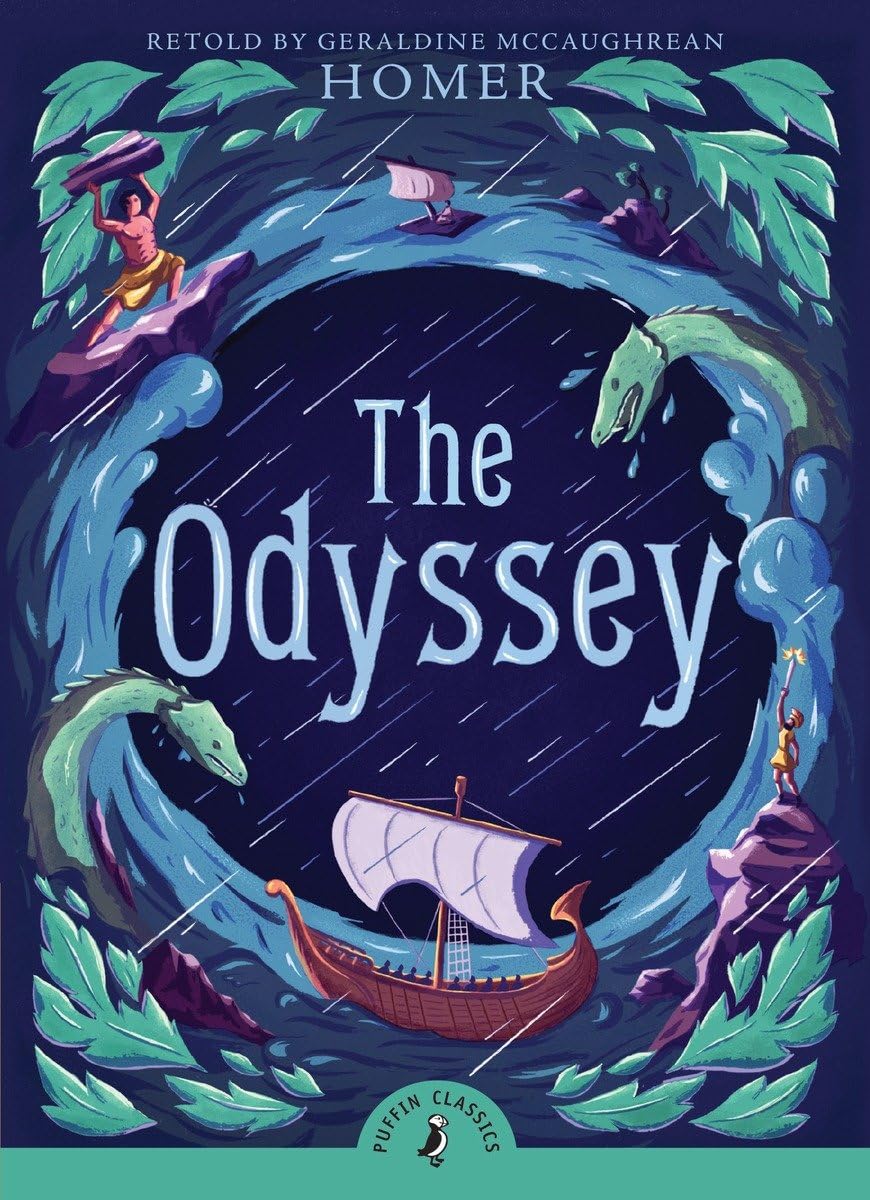
1. The Odyssey – Homer
A foundational Hero’s Journey story that shows trials, transformation, and return.
2. Beowulf
Perfect for studying courage, monsters, and what it means to be a hero.

3. The Hobbit – J.R.R. Tolkien
An ideal bridge between classic literature and modern storytelling.

4. Treasure Island – Robert Louis Stevenson
Excellent for adventure, pacing, and clear conflict.

5. A Wrinkle in Time – Madeleine L’Engle
Blends science fiction, fantasy, and deep character growth.

6. The Once and Future King – T.H. White
A rich exploration of leadership, morality, and heroism.

7. The Call of the Wild – Jack London
A powerful example of character transformation through setting and conflict.

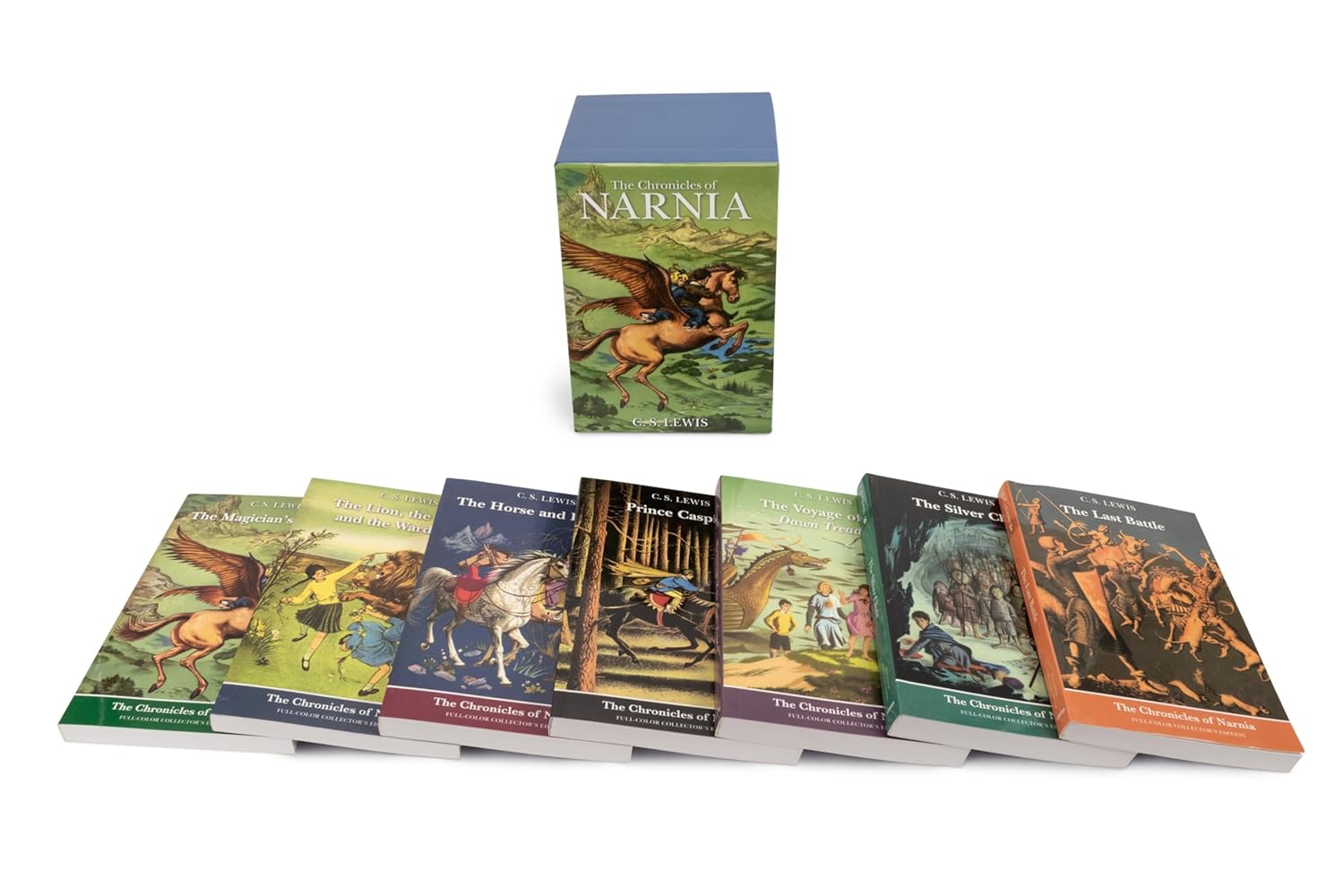
8. The Chronicles of Narnia – C.S. Lewis
Clear story arcs, symbolic themes, and strong moral choices.
9. The Count of Monte Cristo – Alexandre Dumas
Great for older students exploring consequences, ambition, and responsibility.

10. Redwall – Brian Jacques
Ideal for studying honor, pride, and the power of friendship and love.

Bringing It All Together
Creative writing isn’t about producing future novelists.
It’s about helping students:
- think clearly
- express ideas confidently
- understand stories
When students are given structure, encouragement, and meaningful models, writing becomes less intimidating and more empowering.
If you’re looking for a way to guide students through storytelling step-by-step, without overwhelming them. I’ve created a Hero’s Journey Creative Writing Workbook designed for middle and high school students.
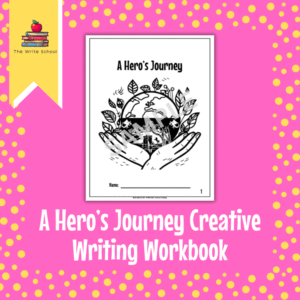
It’s flexible, student-friendly, and focused on helping writers plan first so they can write with confidence.
Check it out here and help your child tap into his/her creativity this year.